

Council Rules, DA vs CDC, and Getting Your Project Started Without Delays
Most demolition projects do not stop due to machinery. They stop because of paperwork.
Across Newcastle, Lake Macquarie and the Central Coast, owners are often ready to rebuild but unsure which approval path applies.
The rules can feel complicated, and online information rarely speaks to local realities such as older Hamilton cottages, sloping Toronto blocks, or tight streets in Merewether.
This guide explains demolition approvals in practical terms for Newcastle property owners. It focuses on council approval for demolition in NSW, DA and CDC pathways, asbestos requirements, and the steps needed before a demolition contractor can start on site.
Start Here, Is Approval About Size or Risk
Approval is about risk, not just how big the job looks.
A small 1950s home in Carrington may require more oversight than a larger modern build in Wyong due to the likelihood of asbestos, proximity to neighbours, or heritage overlays. Demolition approvals in NSW consider impacts on people, adjoining properties, waste handling, and local planning rules.
When those questions are answered clearly, the demolition approval process in Newcastle usually becomes straightforward.
Good approvals are a safety plan written in advance, not an obstacle to progress.
For property owners planning major works, our demolition contractors Newcastle page explains the full range of residential and commercial demolition services we provide across the region.
The Three NSW Approval Pathways
1. Development Application, DA
The DA pathway is common for full-house demolitions in Newcastle suburbs such as Merewether, Charlestown, and Toronto. Council reviews how demolition will be carried out, how asbestos removal will be managed, and how waste from demolition will be transported and disposed.
2. Complying Development Certificate, CDC
CDC demolition approval in NSW is a faster option when a project meets the state planning codes. A private certifier checks compliance rather than the council, which can suit many straightforward demolition services in Lake Macquarie and the Central Coast.
3. Exempt Development
Exempt demolition is less common in Newcastle. Older homes, asbestos-containing materials, and boundary issues typically require formal approval rather than relying on exempt pathways.
Quick Comparison
| Path | Best For | Who Assesses | Speed |
|---|---|---|---|
| DA | Full house demolition, complex sites | Council | Slower |
| CDC | Code compliant demolition | Private certifier | Faster |
| Exempt | Very minor structures | Self assessed | Limited use |
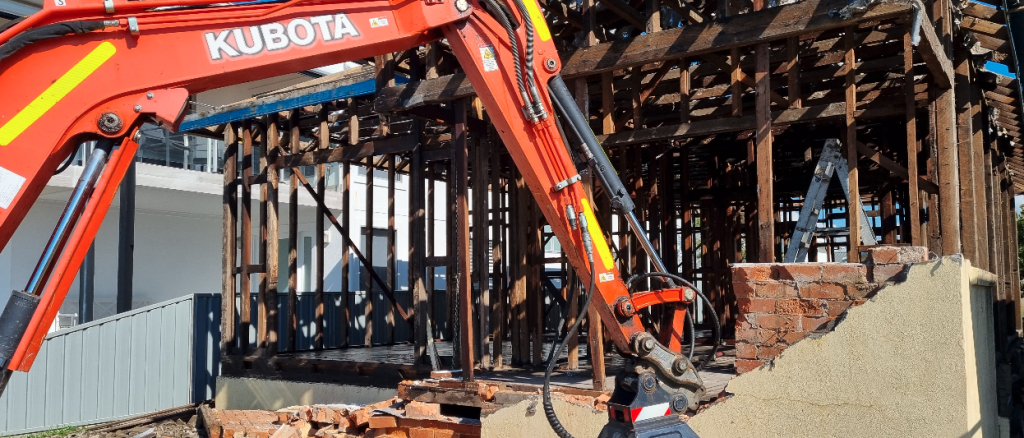
Local Council Reality in Newcastle and Surrounds
Newcastle City Council
Dense neighbourhoods such as Hamilton, The Junction and Carrington often require detailed plans for dust suppression, traffic management, and neighbour protection during demolition works.
Lake Macquarie City Council
Suburbs such as Warners Bay, Belmont, and Toronto often feature sloping blocks and older fibro homes. These factors influence demolition sequencing, asbestos removal, and waste management plans.
Central Coast Council
From Wyong to Gosford, coastal conditions, drainage controls and busy roads can shape demolition approval requirements and site access planning.
Understanding these local factors helps demolition contractors prepare accurate applications and avoid delays.
Any project involving older buildings must follow the SafeWork NSW asbestos requirements, which set out how identification, removal and clearance must occur before demolition begins.
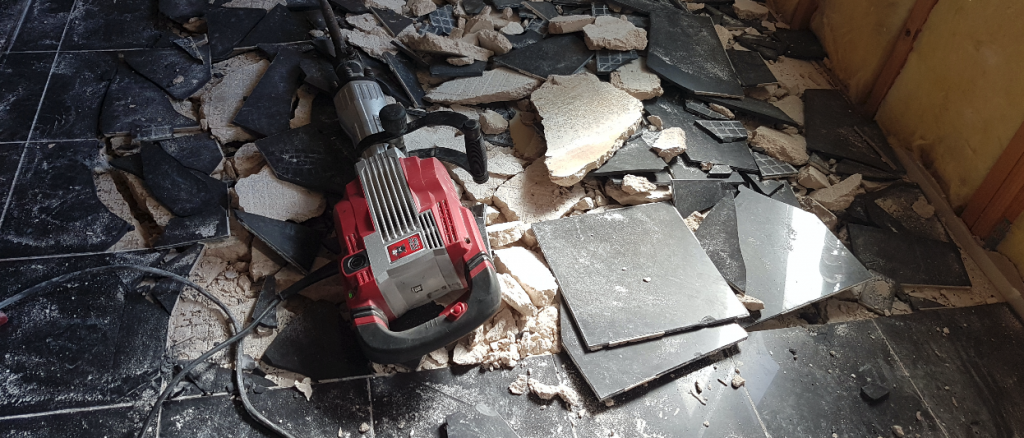
Asbestos and Demolition Approval in Newcastle
This is the point where most approvals change direction.
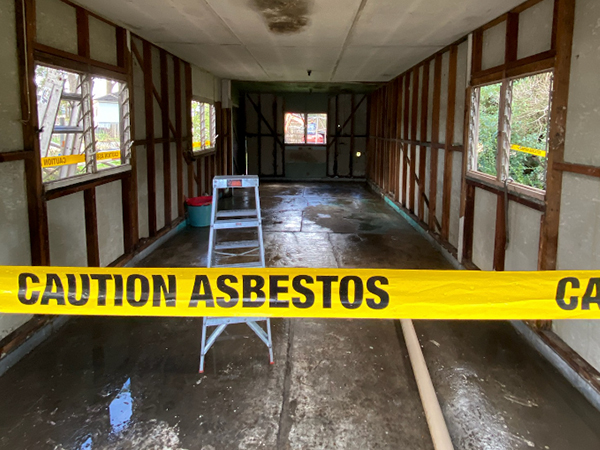
Many Newcastle and Lake Macquarie homes built before 1990 contain asbestos in wall linings, eaves, wet areas, fencing or roofing. When asbestos is present, demolition approval in NSW becomes a regulated health and safety process.
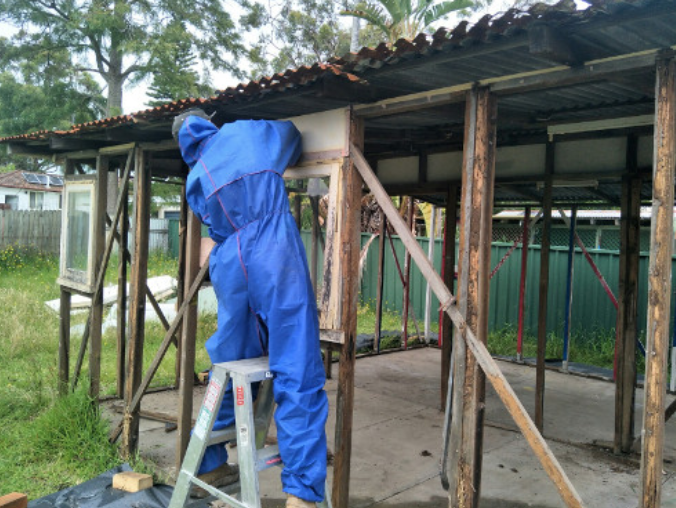
Asbestos must be identified and removed by licensed asbestos removal professionals before major structural demolition begins. Starting demolition without this step can expose neighbours and workers to risk and can breach NSW legislation.
You cannot demolish first and deal with asbestos later.
For this reason, property owners often choose a contractor who holds both demolition and asbestos licences so the process stays under one compliant system.
What the Demolition Approval Journey Looks Like
1. Site Inspection
A demolition contractor assesses the building’s age, access, boundaries, likely asbestos-containing materials, and the scope of works.
2. Documentation
Waste management plans, asbestos reports, Safe Work Method Statements and drawings are prepared for the actual Newcastle site.
3. Lodgement
The demolition DA or CDC application is submitted with clear information for the council or the certifier.
4. Approval and Scheduling
Once council approval for demolition is granted, demolition services can be scheduled with confidence.
Where Demolition Approvals Commonly Get Stuck
Delays usually occur when asbestos information is incomplete, waste plans do not align with the site, or boundary protection is not clearly defined. Heritage considerations in Newcastle suburbs can also delay approvals if they are not addressed early on.
Most of these problems are preventable with proper preparation from an experienced demolition contractor.
If you suspect your property may contain asbestos, do not hesitate to call us now at 0409 007 033.
How ABS Supports Demolition Approval in Newcastle
From New Lambton to Belmont, Toronto to Wyong, we help property owners determine which approval pathway applies, which documents are required, and how asbestos removal must be sequenced before demolition services begin.
Our goal is to replace uncertainty with a clear next step so your demolition project can proceed without unnecessary delays.
Demolition Approval FAQs
Do I need council approval to demolish a house in Newcastle?
Most full house demolition in Newcastle requires either a DA or CDC, particularly for older properties or where asbestos containing materials are present.
Can demolition start before asbestos testing?
No. Asbestos assessment and licensed removal must occur before structural demolition under NSW rules.
How long does demolition approval take in NSW?
Timeframes vary, but several weeks is realistic depending on council workload and the complexity of the demolition application.
Do sheds need demolition approval?
Sometimes. Age, materials, size and location in Newcastle or Lake Macquarie affect whether formal approval is required.
What if asbestos is found after approval?
Demolition works must pause until licensed asbestos removal and clearance are completed.
Ready to Move Forward
Demolition approvals in Newcastle are designed to make demolition safe and organised. With the right guidance, they become a simple sequence rather than a roadblock.
Call 0409 007 033 for a free discussion about demolition approval in Newcastle, Lake Macquarie, the Central Coast or the Hunter Valley.